Looking Back, Looking Forward: Stories of Home and Life in 19th-Century Australia
Audience: Primary school
Learning stage: Stage 1
Learning area: History
Type: Museum educator-led
About the program
This hands-on excursion provides primary students with an engaging opportunity to explore the past and develop historical understanding in line with the Human Society and its Environment (HSIE) Syllabus.
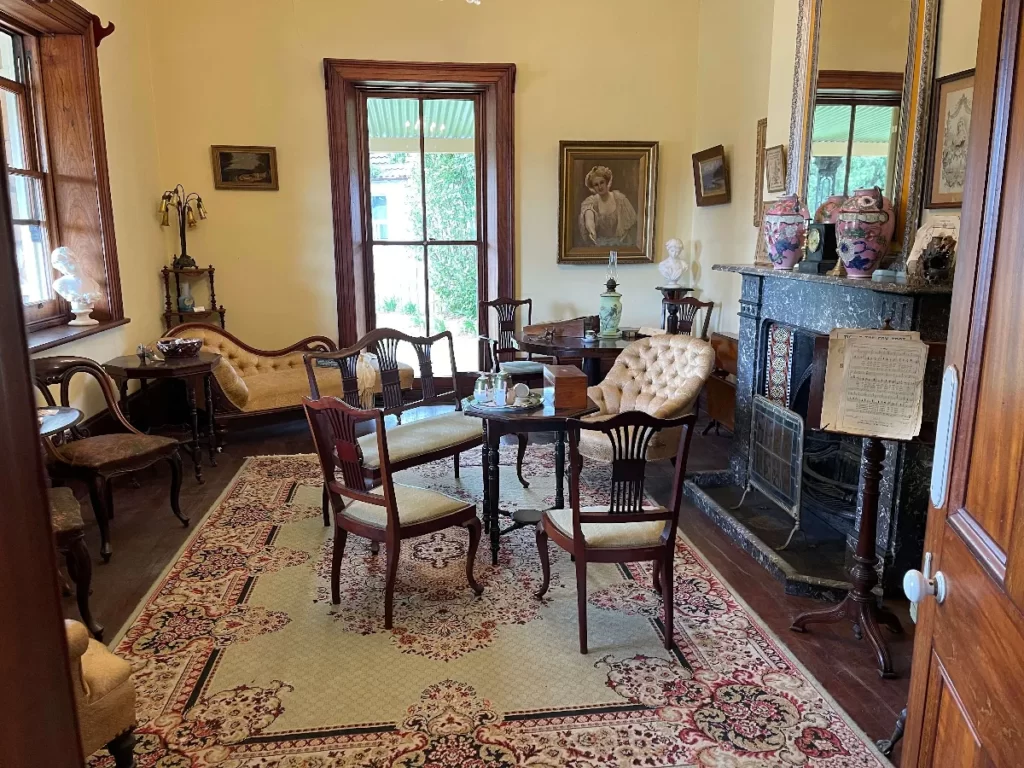
Built in the 1870s as a country villa, and later the home of renowned Australian author Christina Stead, Lydham Hall is now a fully furnished period house. Through investigation, observation, and participation, students will explore how children and families lived during the late 1800s, examine daily life and household objects, and reflect on how life has changed, encouraging historical empathy and meaningful connections between the past and present.
Learning objectives
In this program, students will:
- compare their lives with those of children and families in the past.
- learn about the living conditions and conveniences of the period.
- examine household artefacts.
- participate in children’s games and entertainment activities of the period.
- reflect on the differences to modern life.
Audience: This program is bookable for Stage 1
Cost: $10 Introductory offer for 2026 only: $5 (GST-free) per student.
Teachers: FREE
Carers with sole responsibility for one student: FREE
Additional visitors and parents: $8
Duration: 90 minutes + additional time for lunch and play in the gardens.
Capacity: Up to 50 students per session (multiple sessions can be arranged for larger groups)
Term: Terms 1-4 2026
Days: Tuesday, Wednesday
Times: 10:00am
Curriculum links
This program is fully updated for the new Human Society and its Environment K-6 Syllabus (2024), while continuing to address relevant outcomes in the History K-10 Syllabus (2012).
Stage 1
History K–10 Syllabus (2012)
A student:
- communicates an understanding of change and continuity in family life using appropriate historical terms HT1‑1
- identifies and describes significant people, events, places and sites in the local community over time HT1‑2
- describes the effects of changing technology on people’s lives over time HT1‑3
- demonstrates skills of historical inquiry and communication HT1‑4
Human Society and its Environment (HSIE) K-6 Syllabus (2024)
A student:
- describes the ancient past and changes in communication over time, using stories, images, objects and sites as evidence HS1-HIS-01
On the day of your visit
- Please plan to arrive at least 20 minutes before the program start time.
- Large groups will be split into smaller groups for activities in the museum.
- There are no dedicated spaces inside the museum for food or drink. We encourage groups to eat and drink on the verandah or in the gardens.
- Bag storage is available. We encourage you to bring only what is essential for your visit. Small bags for medication or lunch are recommended. Please do not bring valuable items.
- Students and children on a school group visit must be accompanied by a teacher or supervisor.
- Student discipline is the responsibility of teachers and supervisors.
- Public liability for visitors, parents, and carers is the responsibility of the school.
Facilities
- The museum is not wheelchair accessible.
- 2 toilets are available.
Program Activity Plan
Students collaborate in small groups, taking part in carefully planned, age-appropriate activities as they rotate through a range of immersive, hands-on stations. Each station explores a different aspect of life in the Victorian era, helping students discover how people lived, played, and ate during this period.
The activities are designed to spark curiosity, inspire creativity, and promote teamwork, transforming historical learning into an engaging and memorable experience. Through guided discussion and thoughtful questioning, students explore how everyday life varied according to wealth, family circumstances, and where people lived, encouraging them to develop both creative thinking and critical understanding.
Activity 1: Craft
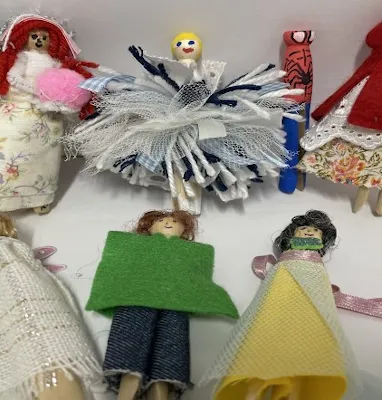
In this activity, students explore leisure in Victorian times through a hands-on peg doll craft workshop. Peg dolls were a popular and affordable toy during the Victorian era, particularly among working- and middle-class families. Simple in design and often handmade from wooden pegs and scraps of fabric, they reflect the resourcefulness of the period and the importance of imaginative play.
Working in small groups, students design and decorate their own peg dolls using a range of safe, age-appropriate materials. They are encouraged to think about clothing styles, occupations, and social roles from the Victorian period when creating their characters.
Once completed, students can use their peg dolls in short storytelling or role-play activities. This open-ended play element mirrors how Victorian-era children would have used similar toys — inventing narratives, acting out everyday experiences, and developing social understanding through imaginative scenarios.
Activity 2: Games to Play
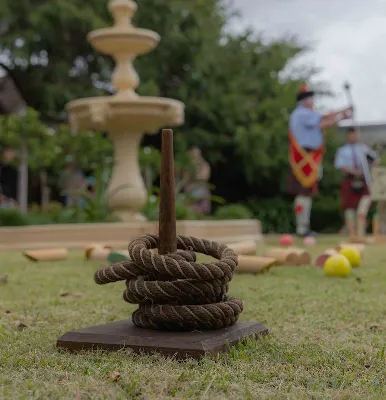
This activity invites students to step back in time and experience the games enjoyed by Victorian-era children. During the 19th century, play was often active, imaginative, and required very little equipment. Popular pastimes included hoops, skipping ropes, quoits, and jacks — games that encouraged coordination, teamwork, and friendly competition.
Set within the historic surroundings of Lydham Hall, this activity allows students to engage in traditional play in an authentic environment. The setting helps create a strong sense of place, encouraging students to imagine what it might have been like to play outdoors without modern playgrounds, plastic toys, or digital entertainment.
By participating in these traditional games, students gain a practical understanding of Victorian-era leisure while developing physical coordination, cooperation skills, and historical empathy. Experiencing these activities in an outdoor heritage setting deepens engagement and helps bring the everyday experiences of Victorian childhood vividly to life.
Activity 3: Step into the Parlour
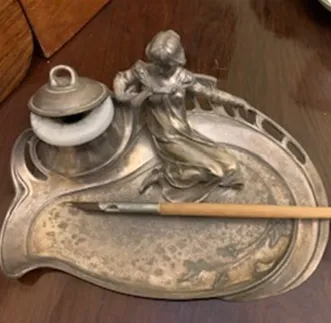
This activity explores how families spent their leisure time within the home during the Victorian period. In an era before television, radio, or digital entertainment, evenings were often centred around shared, creative pursuits such as playing the piano, needlework, reading aloud, and writing letters. These activities were not only forms of entertainment but also reflected social expectations, education, and family roles within the household.
Through a range of practical and discussion-based experiences, students are introduced to the types of pastimes that shaped family life. They may listen to examples of Victorian-era music and learn about the importance of the piano in many middle- and upper-class homes, where musical ability was considered a valued accomplishment. Students might explore simple sewing or embroidery techniques, reflecting on how clothing was carefully made and repaired rather than replaced. They may also examine replica letters or short texts and attempt their own Victorian era-style writing, discovering how correspondence was an essential way of maintaining relationships across distances.
This activity encourages thoughtful comparison between past and present. By engaging with traditional domestic pastimes, students gain insight into the rhythms of Victorian-era family life and develop a deeper appreciation of how leisure reflected both creativity and social structure within the home.
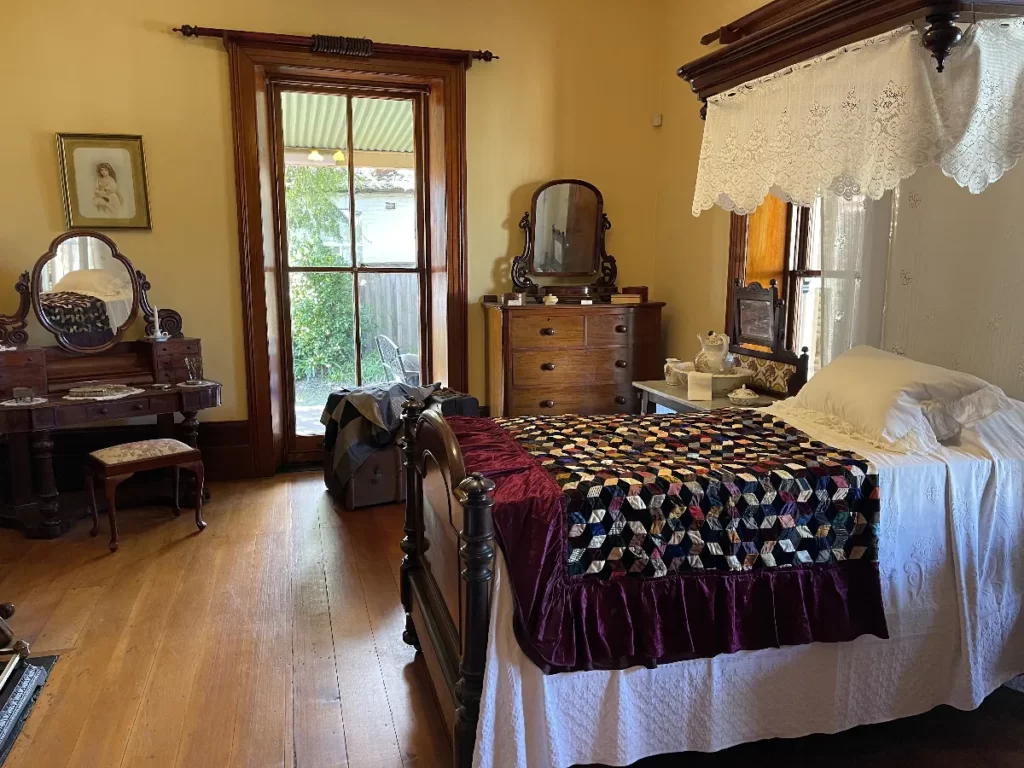
Activity 4: Bedtime
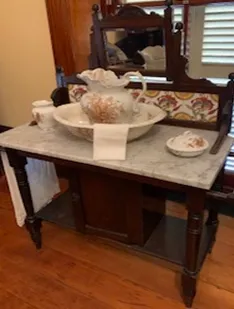
This activity invites students to explore the Victorian bedroom and consider how everyday routines differed from those of modern life. By examining key objects such as a wash basin, traditional bed, and a brass bed warmer, students gain insight into personal hygiene, comfort, and household practices before the introduction of central heating, fitted bathrooms, and electric lighting.
Through close observation and guided discussion, students are encouraged to identify the purpose of each object and compare it with its modern equivalent. They learn that wash basins were used for daily washing in bedrooms before indoor plumbing was common, highlighting how water had to be carried by hand.
This activity encourages careful observation, historical comparison, and critical thinking. By examining authentic objects, students develop a tangible understanding of Victorian-era domestic life and gain a deeper appreciation of how technological advancements have transformed everyday comfort and hygiene.
Activity 5: Come Dine with Me
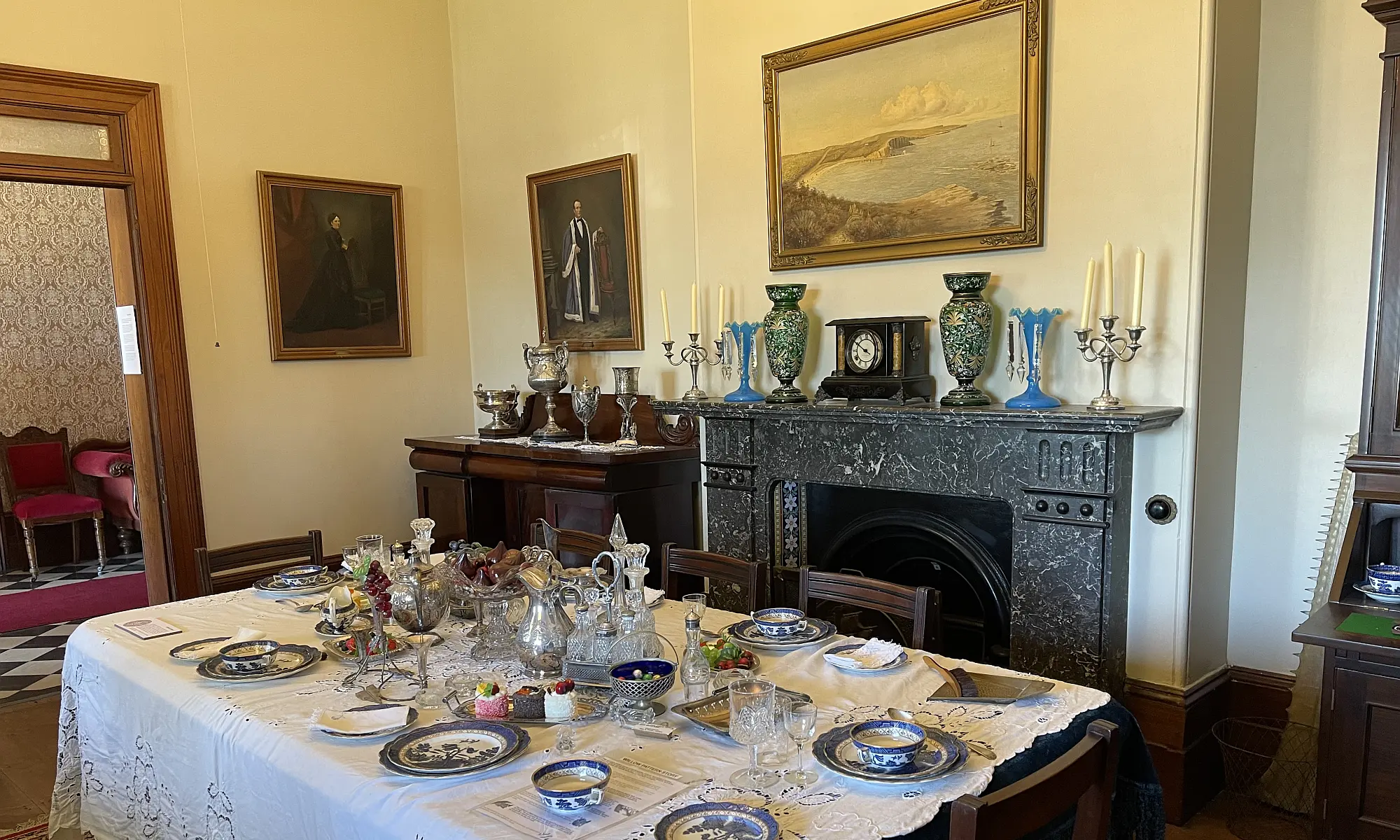
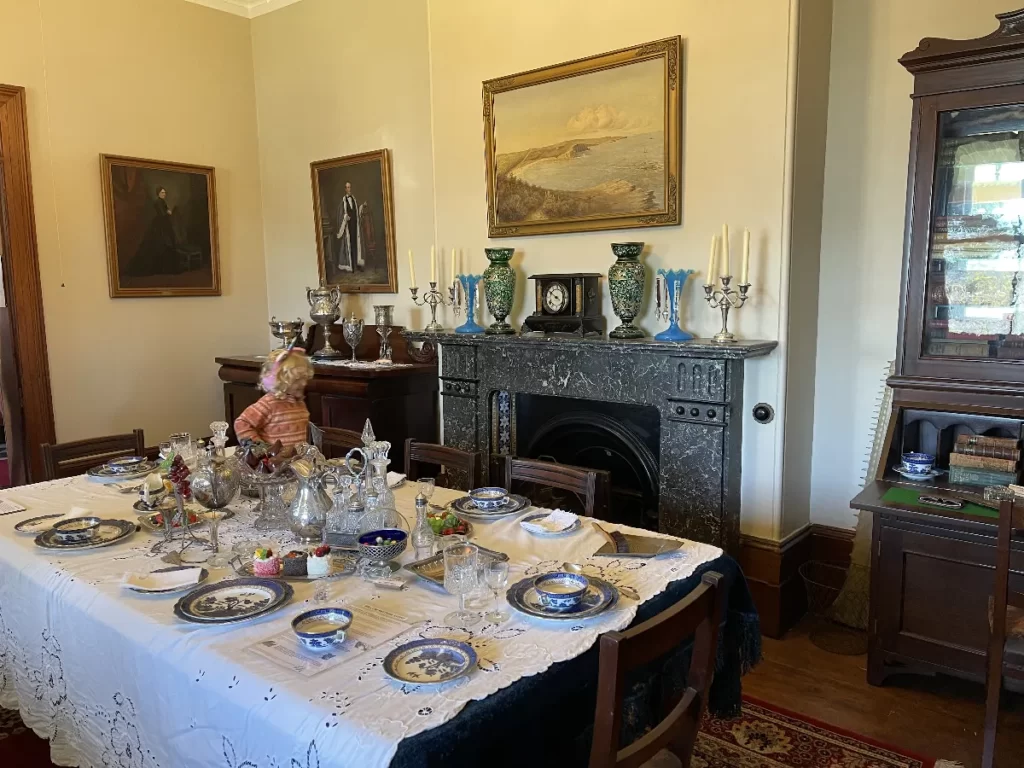
This activity explores the Victorian-era dining room and introduces students to the customs, organisation, and social expectations surrounding family meals. For many middle- and upper-class families, the dining room was an important space where meals reflected not only nourishment but also manners, routine, and social status.
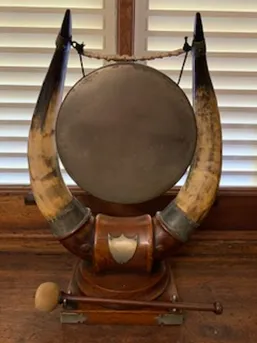
Students observe the carefully laid table, set with multiple plates, bowls, knives, forks, spoons, glasses, and serving dishes. Through guided discussion, they learn that meals often followed a structured sequence of courses, each requiring specific utensils, highlighting the formality and etiquette of the period.
Attention is also given to the large wooden sideboard or buffet, used to store and display platters and trays, reinforcing the Victorian-era emphasis on order and household management. By examining the layout and purpose of the room, students develop a clearer understanding of family dining traditions and the values reflected in everyday life.
Activity 6: Kitchen Duties
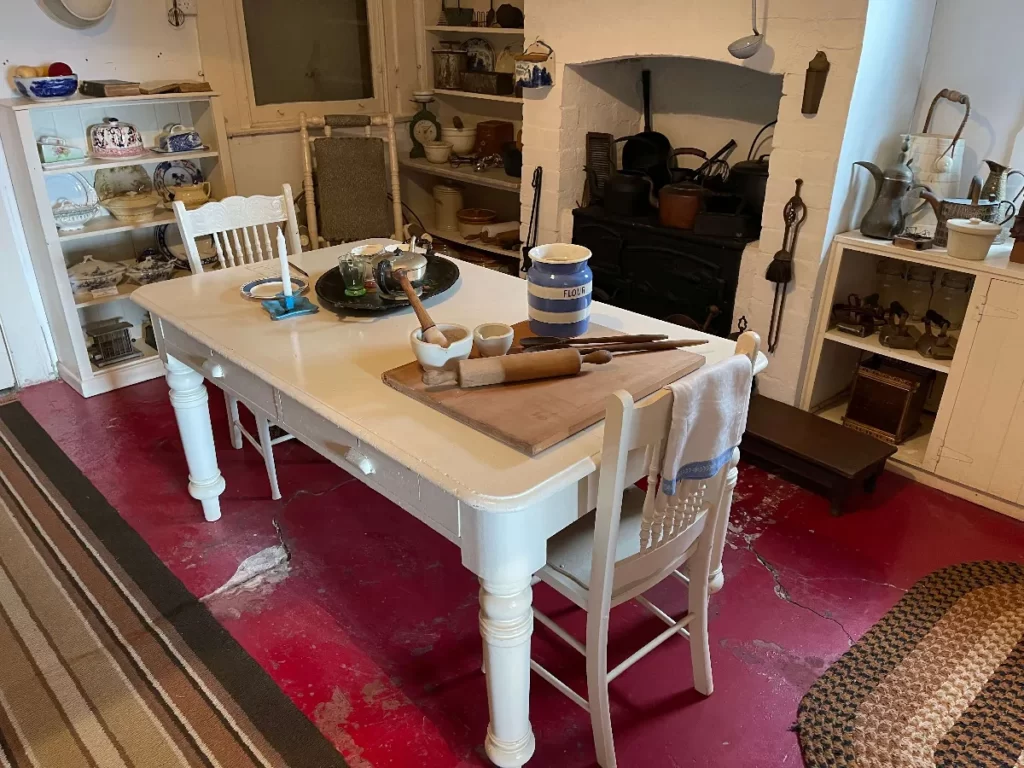
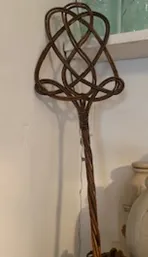
This activity gives students an insight into the heart of the Victorian-era home: the kitchen. In this space, daily life revolved around preparing food, cleaning, and completing household chores — all without the modern appliances we take for granted today. By exploring authentic objects such as a carpet beater, butter churner, and clothes mangle, students gain a hands-on understanding of the effort and skill involved in everyday domestic life.
Students are encouraged to examine each object and consider its purpose. For example, the carpet beater shows how floors and rugs were cleaned before vacuum cleaners existed, while the butter churner demonstrates how families produced essential food items at home. The clothes mangle highlights the labour involved in washing and drying clothes, illustrating how much physical effort was required for tasks we now consider routine.
This activity encourages observation, problem-solving, and historical empathy. By interacting with these objects and learning about their use, students gain a practical understanding of Victorian-era domestic life and an appreciation for the skill, ingenuity, and daily effort required to keep a household running smoothly.
Risk Assessment Plan
To assist preparation of your risk management plan, please reference our Risk Assessment Plan.