Lydham Hall Historic House Museum
High Tea and Opera at Lydham Hall Historic House Museum
Sunday, 1 November, 10am
Both High Tea and Lydham Hall originated in the Victorian Era, making this the perfect place for the refined indulgence of a tantalising selection of sweet and savoury treats paired with fine teas and fresh coffee.
While you enjoy High Tea in the Lydham Hall Gardens, some of Sydney’s finest opera singers will sing pieces from Charles-François Gounod’s Faust as well as other popular arias and songs.
This is an enthralling preview of the Rockdale Opera Company‘s Faust, coming to the stage in December.
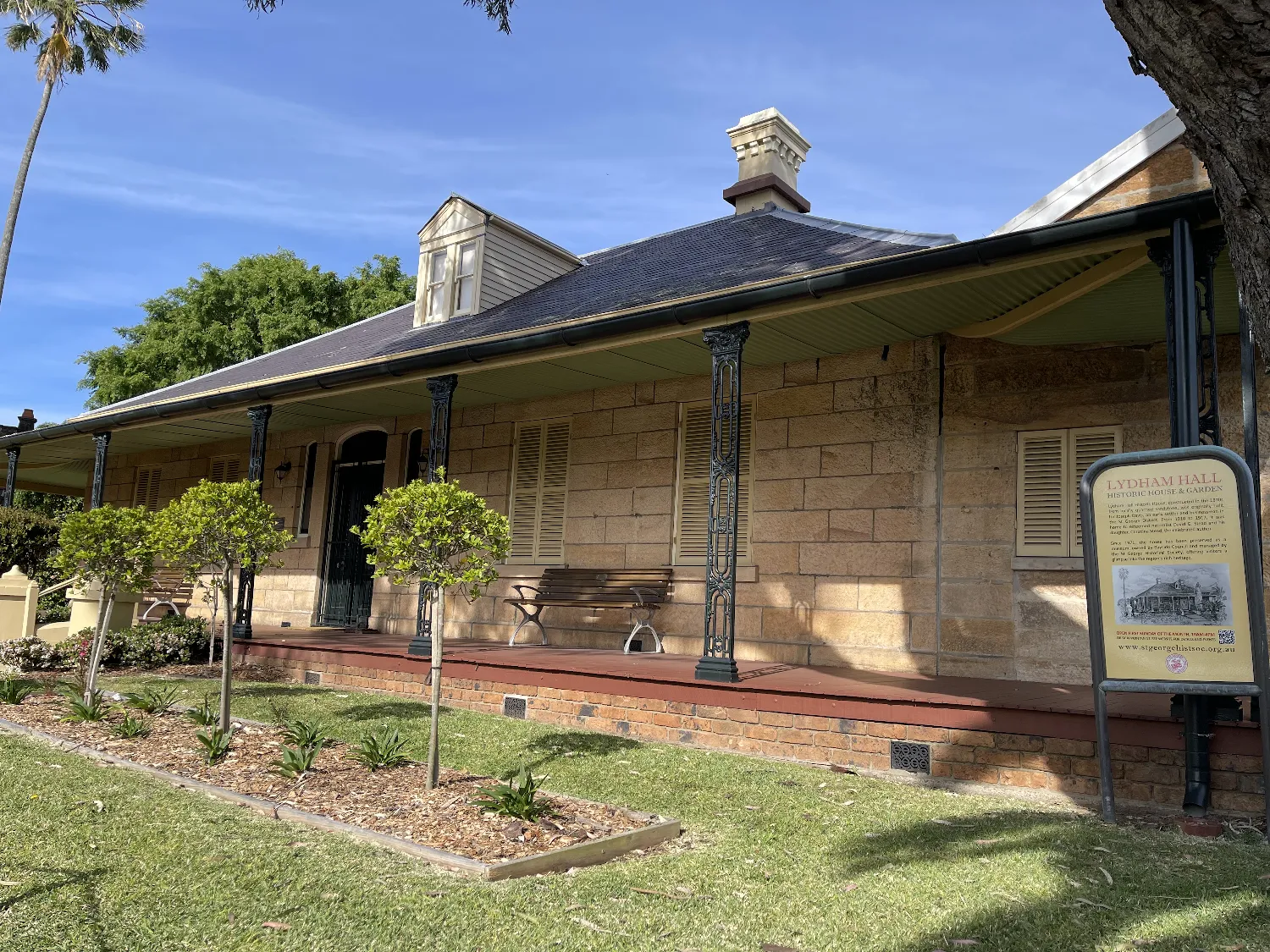
One of the oldest homes in Bayside, New South Wales State Heritage-listed, Lydham Hall Historic House Museum is a sandstone villa built in the late 1870s.
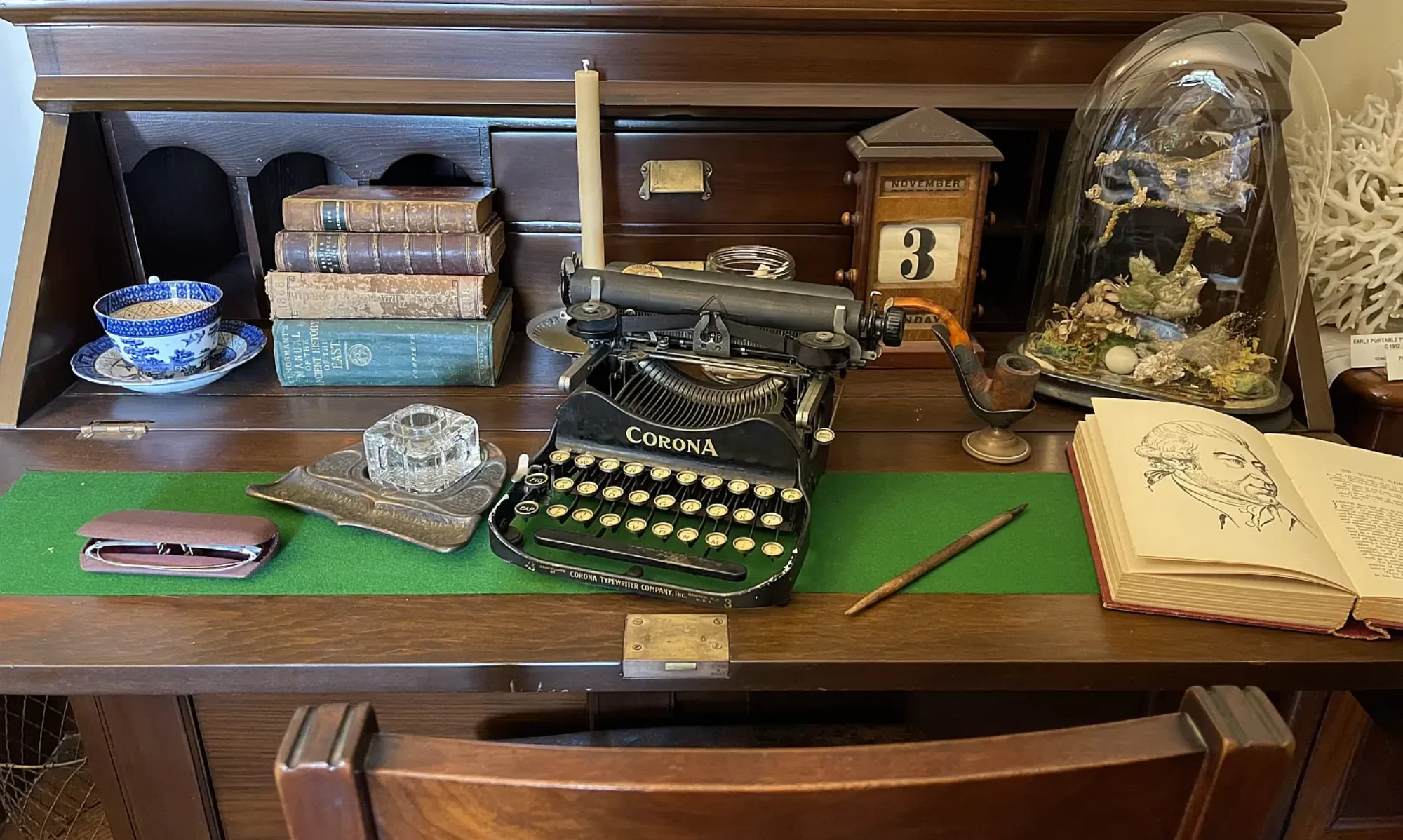
The interior of Lydham Hall is presented in the style of a late Victorian residence, with a fine collection of antique furniture. Today the house sits proudly surrounded by manicured, modern gardens.
Our wonderful volunteers will guide you through this historic home.
Visit us: The museum is located at 18 Lydham Avenue, Rockdale NSW 2216. On-street parking is available or a short bus trip from Rockdale Station takes you within a 5-minute walk of the museum.
Next opening: Sunday, 1 November 2026, 10am – 4pm
Purchase tickets at visitor reception or click here to book online.
Entry Fees
Adults: $8
Concession*: $5
SGHS members: FREE
Companion Card holders: FREE
Children under 10: FREE
* Concession: Full-time students, seniors, pensioners, and children aged 10 and over.
All admission fees help us maintain the House Museum and exhibits, support our volunteers, and host new exhibitions and events.
Visited Us?
Read what people are saying about Lydham Hall.
Please leave a review:


About Lydham Hall
Lydham Hall Historic House Museum was built in the late 1870s for Joseph Davis, his wife Ellen and their family. The house was originally part of a 67-acre estate that Davis called ‘Lydham Hill’, built on the highest ridge in the area and with commanding views of Botany Bay. Davis had a butchering business in Newtown and used the property to fatten up his cattle before slaughter.
When Davis died in 1889, the property was subdivided and a smaller parcel of land was sold to local oyster farmer, Frederick Gibbins, who leased the property to a succession of wealthy tenants.
In 1890, the house stood on 3.5 acres surrounded by outbuildings, paddocks, orchards and with rugged vegetation beyond. In 1907, Gibbins’s daughter, Ada, married renowned naturalist, David Stead. Stead was a widower with a young daughter, Christina, and the family occupied the house with their growing brood of children, Stead’s sister and her daughter.
Christina Stead would go on to become an internationally acclaimed author who included references to ‘Lydham Hill’ and the surrounding area in a number of her books and short stories. The Stead family lived in the house until Frederick Gibbins’s death in 1917.
Rockdale City Council purchased Lydham Hall in 1970 as a headquarters for the St George Historical Society and its collections and archives. To commemorate the centenary of Rockdale City Council, the building opened to the public on 20 February 1971.
The building closed in 2020 for repairs, remaining closed during the COVID-19 lockdown.
Lydham Hall reopened on Sunday, 4th February 2024 with a wonderful day of celebrations.
The President of St George Historical Society, Wesley Fairhall, invited the Mayor of Bayside and the community.
“This State heritage-listed building is home to a wonderful collection of fine antiques and period objects,” the Bayside Mayor said.
Today the house sits proudly surrounded by manicured, modern gardens and is regularly open to the public. The interior of Lydham Hall is presented in the style of a late Victorian residence, with a fine collection of antique furniture and over 1,500 objects of local and historical interest contained within the rooms and in the museum upstairs. The museum also has a library and archives which contain a broad range of books, photographs and documents on local places, people, events, and institutions.